Starting a home remodeling project can feel overwhelming, but think about the benefits of a structured approach. By breaking down your renovation into manageable phases, you can not only reduce stress but also enhance the overall experience. A well-planned project can lead to success, and here’s how you can achieve that!
What You Will Learn
- The benefits of a staged planning approach for a smoother remodeling process.
- How effective project management can keep your renovation on track and within budget.
- The role of design consultation in aligning your vision with practical execution.
- Key principles to follow for successful home renovation management.
- Components of a remodeling checklist to streamline your project execution.
Understanding the Importance of Staged Planning in Home Remodeling
When it comes to home remodeling, staged planning is the key to a smoother process. By breaking your renovation into manageable phases, you can avoid feeling overwhelmed and ensure each step receives the attention it deserves. This approach not only simplifies your journey but also enhances your overall experience.
In my own remodeling projects, I’ve found that a staged approach allows me to focus on one aspect at a time. Whether it’s selecting materials or coordinating contractors, having a clear plan prevents confusion and keeps everything organized.
Why a Staged Approach Simplifies Your Renovation Journey
A staged approach helps you tackle your remodeling project in bite-sized pieces. Here’s how:
- Clarity and Focus: You can dedicate your energy to one phase without distractions.
- Easier Decision-Making: With a set timeline, you can take the time to make informed choices.
- Better Resource Management: Staging allows for optimal use of your budget and time.
By following this structured method, you’ll find that each phase builds on the last, leading to a more cohesive final result. Plus, it minimizes unexpected surprises that can derail your project.
Key Benefits of Home Renovation Project Management
Effective project management is crucial in home renovations. It helps keep everything on track and within budget. Here are a few significant benefits:
- Improved Communication: Clear lines of communication mean that everyone involved knows their roles and responsibilities.
- Time Efficiency: Projects can progress faster when they are well-managed, reducing downtime.
- Quality Assurance: Regular monitoring ensures that the work meets your standards.
In my experience, having a project manager on board has always been beneficial. They handle the nitty-gritty, allowing me to focus on the bigger picture. For guidance on safe renovation practices, especially concerning hazardous materials, the EPA provides steps for lead-safe renovation, repair, and painting, and also offers steps for safe renovation and repair activities related to PCBs.
Integrating Design Consultation into Your Remodeling Process
Consulting with a design professional can dramatically improve your remodeling experience. They can guide you through the latest trends and help you align your vision with practical execution. Here’s why you should consider it:
- Expertise: Designers bring a wealth of knowledge about materials and layouts.
- Personalized Solutions: They can tailor recommendations to suit your unique space and style.
- Streamlined Process: Their involvement can simplify decision-making and enhance project flow.
I’ve often seen a design consultation transform a vague idea into a stunning reality. It’s an investment that pays off in the long run!
We Want to Hear From You!
As you think about your upcoming remodeling project, what challenges are you most concerned about? Share your thoughts below:
Frequently Asked Questions About Home Remodeling
What are the benefits of a staged planning approach in home remodeling?
How does effective project management contribute to a successful renovation?
Why should I consider integrating design consultation into my remodeling process?
What are the key principles for successful home renovation management?
What components should be included in a remodeling checklist?
Summarizing Your Remodeling Journey with a Phased Approach
As we wrap up our discussion on home remodeling, it’s essential to reflect on the value of a phased approach. This method not only streamlines your renovation journey but also allows you to manage your resources more effectively. By breaking down your project into stages, you can assess progress and make adjustments as necessary, ensuring you remain on track towards your goals! The U.S. Department of Housing and Urban Development provides a remodeling guide that further emphasizes structured planning.
In this summary, we’ll explore the key takeaways that will help you navigate your remodeling project with confidence. From understanding project management fundamentals to maintaining communication with contractors, these insights will empower you every step of the way.
Key Takeaways for Successful Home Renovation Management
To achieve a successful home renovation, it’s crucial to keep several key principles in mind. Here are some essential takeaways that can guide you through the process:
- Always start with a clear vision and design plan.
- Establish a realistic timeline and stick to it.
- Communicate openly with your contractors and team.
- Be prepared for unexpected challenges and adjust your plans accordingly.
- Keep a close eye on your budget throughout the project.
By integrating these takeaways into your planning, you will enhance your renovation experience and increase the chances of achieving your dream space!
Encouraging Readers to Start Their Project with Confidence
Starting a home remodeling project can feel overwhelming, but remember, you are not alone! I encourage you to take those first steps with confidence. By following the structured approach we’ve discussed, you can turn your renovation dreams into reality.
Consider reaching out to professionals who can guide you through the process. Whether it’s a designer, a contractor, or a project manager, their expertise can provide valuable insights and reassurance. Trust in your capabilities and the planning you’ve done; you’ve got this!
Utilizing a Remodeling Checklist for Streamlined Execution
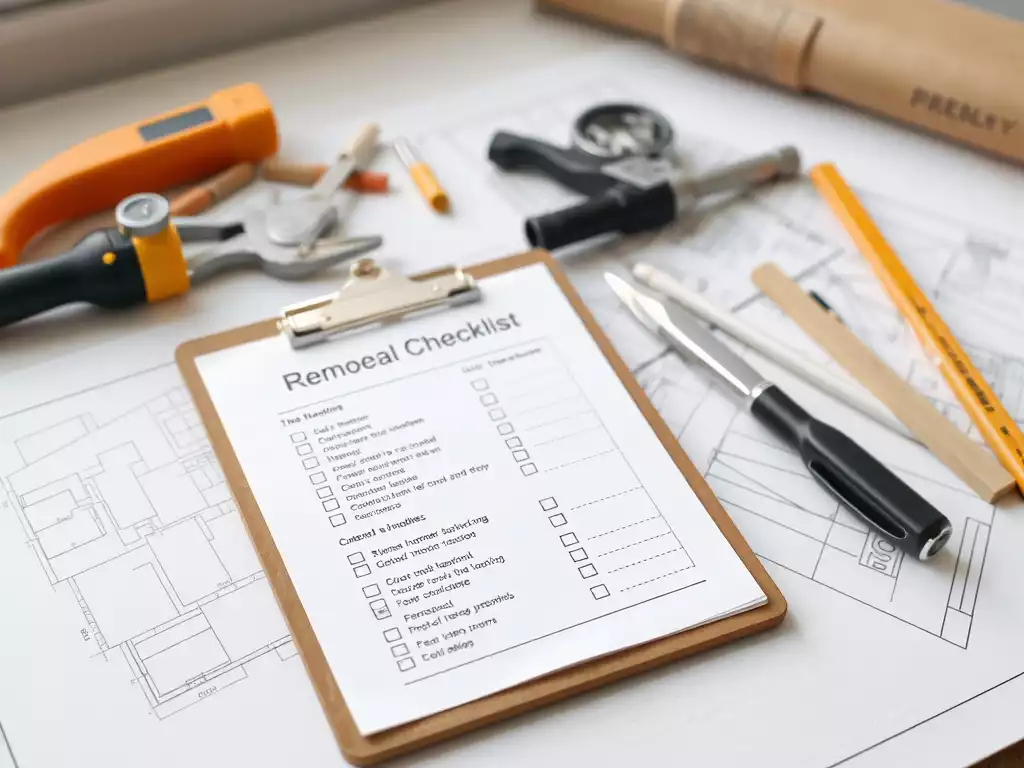
A remodeling checklist is an invaluable tool that can help you keep track of tasks and milestones throughout your project. Having a clear list of items to tackle can enhance your focus and efficiency. Below are some key components to include in your checklist:
- Initial design concepts and plans
- Permit applications and approvals
- Material selections and orders
- Contractor hiring and agreements
- Scheduling of demolition and construction phases
- Final inspections and project wrap-up
By utilizing a checklist, you can ensure that nothing gets overlooked and that your project runs smoothly from start to finish!
Next Steps for Engaging with Your Remodeling Project
Now that you have a solid understanding of the remodeling journey, it’s time to take action! Here are some practical next steps to keep you moving forward.
Accessing Resources: Downloadable Checklists and Tools
To make your planning even easier, I recommend accessing downloadable resources that can help streamline your project. These materials often include:
- Customizable renovation checklists
- Budget templates for expense tracking
- Timeline planners to map out your project
- Design inspiration galleries for creative ideas
Having these tools at your fingertips can save you time and reduce stress as you move through each phase of your remodeling project!
Sharing Your Experience: Connect with Our Community for Support
Your journey doesn’t have to be a solo endeavor. I encourage you to share your experiences with others who are also tackling home renovations. Connecting with a community can provide support, tips, and inspiration. Look for online forums, social media groups, or local meetups where you can exchange ideas and solutions.
Don’t hesitate to ask questions or seek advice! You’ll find that many homeowners are eager to share their insights and successes.
Exploring Design Trends for Your Home Improvement Project
As you embark on your remodeling project, it’s a fantastic opportunity to explore the latest design trends. Staying informed about current styles can help inspire your choices and ensure that your home feels modern and fresh. Consider the following popular trends:
- Eco-friendly materials and sustainable design
- Open concept living spaces
- Smart home technology integration
- Bold colors and textures for statement pieces
Incorporating some of these trends can elevate your home and reflect your personal style, making your remodel not just functional but also aesthetically pleasing!
Recap of Key Points
- Staged Planning: Break your renovation into manageable phases to simplify the process and enhance focus.
- Project Management: Effective communication and clear roles ensure that your project stays on track and within budget.
- Design Consultation: Engaging with a design professional can provide expertise and tailored solutions for your remodeling needs.
- Remodeling Checklist: Utilize a checklist to keep track of tasks, ensuring a smooth execution from start to finish.
- Next Steps: Access resources, connect with communities for support, and explore current design trends to enhance your project.