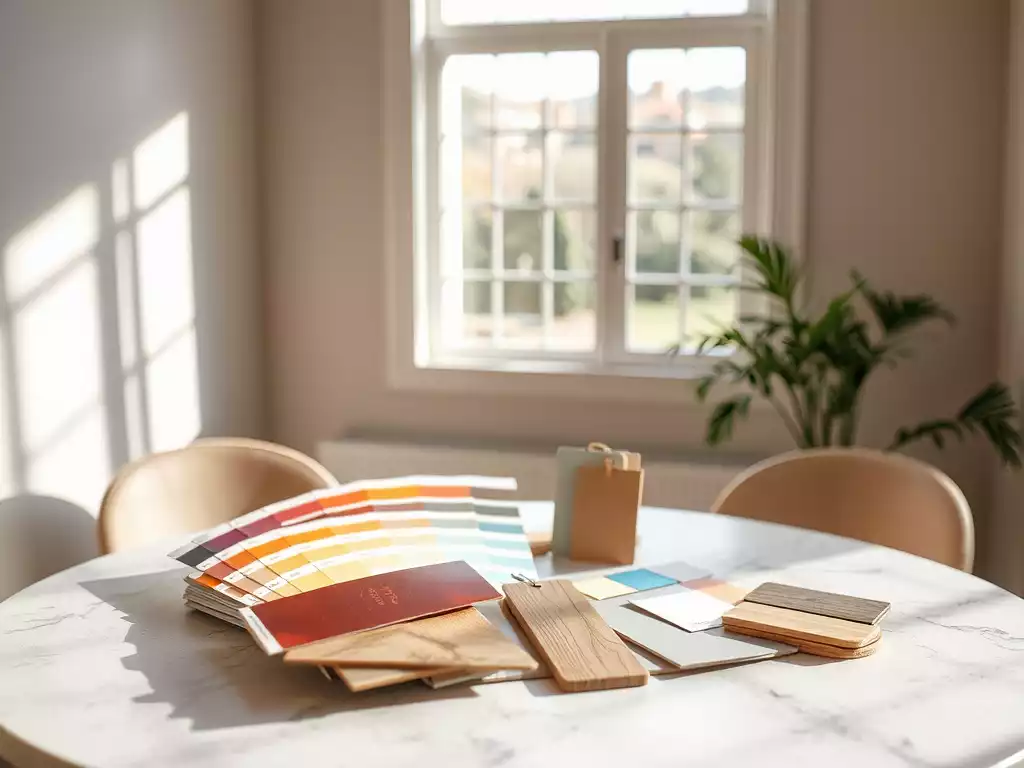
Colors and materials can make or break your home design. Understanding their impact leads to a space that truly reflects your personal style. Are you ready to transform your home into a sanctuary that resonates with your lifestyle?
What You Will Learn
- The mood created by your color choices can significantly affect the ambiance of your home.
- Durability is essential; select materials based on the specific needs of each room.
- Eco-friendly materials not only enhance your home but also promote sustainability.
- Textures add depth and interest, contributing to a cohesive design throughout your space.
- Personalization through unique materials and artwork creates a home that feels uniquely yours.
- Incorporating seasonal trends can keep your decor fresh and inviting without major overhauls.
Understanding the Essentials of Interior Colors, Materials, and Finishes
When it comes to home design, the right interior colors and materials can truly transform your space. They not only enhance the aesthetic appeal but also reflect your personal style and create an atmosphere that resonates with your lifestyle. Whether it’s the calming hues of a bedroom or the vibrant tones in a living area, your choices will play a significant role in how you feel in your home.
Each element you select—be it a bold paint color or a soft fabric—carries the power to influence your environment. That’s why understanding the essentials of these components is vital. I’ve seen firsthand how a well-chosen finish can elevate a room and create a unique vibe!
Recognizing the Importance of Your Choices in Home Design
Every decision you make regarding colors and materials contributes to the overall ambiance of your home. It’s essential to consider how these elements interact with one another!
- The mood you want to create: Think about whether you desire a calm, serene space or vibrant, energetic surroundings. Understanding color theory in interior design can help you craft the perfect palette to achieve your desired atmosphere.
- Functionality: Some materials are more suited for high-traffic areas, while others may be ideal for more private spaces.
- Trends vs. Timelessness: It’s great to incorporate trends, but balancing them with classic styles ensures longevity in your design.
Through these considerations, your choices can shape a home that feels cohesive and inviting. The right selections can make all the difference in creating a space that feels uniquely yours!
Identifying Your Style and Needs
Before diving into selections, it’s key to assess your aesthetic preferences and functional requirements. Start by reflecting on your personal style! Are you drawn to modern minimalism, bohemian flair, or perhaps a traditional charm?
- Look for inspiration: Browse design magazines, visit showrooms, or explore online platforms like Pinterest.
- Consider your lifestyle: Do you have kids or pets that require durable materials, or are you someone who prefers low-maintenance options?
- Think about the flow: Evaluate how different spaces connect with each other to create a harmonious atmosphere.
Identifying these aspects will guide your decisions and ensure that your home reflects both your personality and your needs!

Exploring Eco-Friendly Materials in Interior Design
As we continue to prioritize sustainability, it’s essential to explore eco-friendly materials in interior design. Sustainable choices can enhance your home while also benefiting the planet. I find that using environmentally conscious products can lead to a more mindful living space.
- Bamboo: A rapidly renewable resource, bamboo is both durable and stylish.
- Recycled materials: From glass tiles to reclaimed wood, these options reduce waste and add character.
- Low-VOC paints: These paints minimize harmful emissions, making your home healthier.
Incorporating these materials into your design can promote a healthier living environment and contribute to a more sustainable future!
Navigating Interior Finishes: Materials That Matter
Choosing Durable Materials for Each Room
When selecting materials for your home, durability is a key factor to consider. Each room serves a different purpose and has unique wear-and-tear challenges.
- Hardwood floors: Perfect for living rooms and dining areas, they add warmth and style.
- Quartz countertops: Ideal for kitchens due to their strength and low maintenance.
- Ceramic tile: Great for bathrooms and high-traffic areas because of their moisture resistance.
Choosing the right materials not only enhances the aesthetics but also ensures that your home stands the test of time!
Evaluating Moisture Resistance and Maintenance Needs
In areas like kitchens and bathrooms, selecting moisture-resistant materials is crucial. These spaces are prone to humidity and spills, so the right choices can prevent damage down the line.
- Water-resistant flooring: Vinyl or tile can withstand moisture better than traditional wood.
- Moisture-loving paints: Make sure to use paints designed for high-humidity areas to prevent peeling.
- Natural stone countertops: Seal them properly to reduce the risk of stains and moisture absorption.
By prioritizing these features, you’ll create a home that remains beautiful and functional!
Understanding the Role of Textures in Interior Materials
Textures play a significant role in enhancing the overall aesthetic and feel of a space. They can add depth, warmth, and interest!
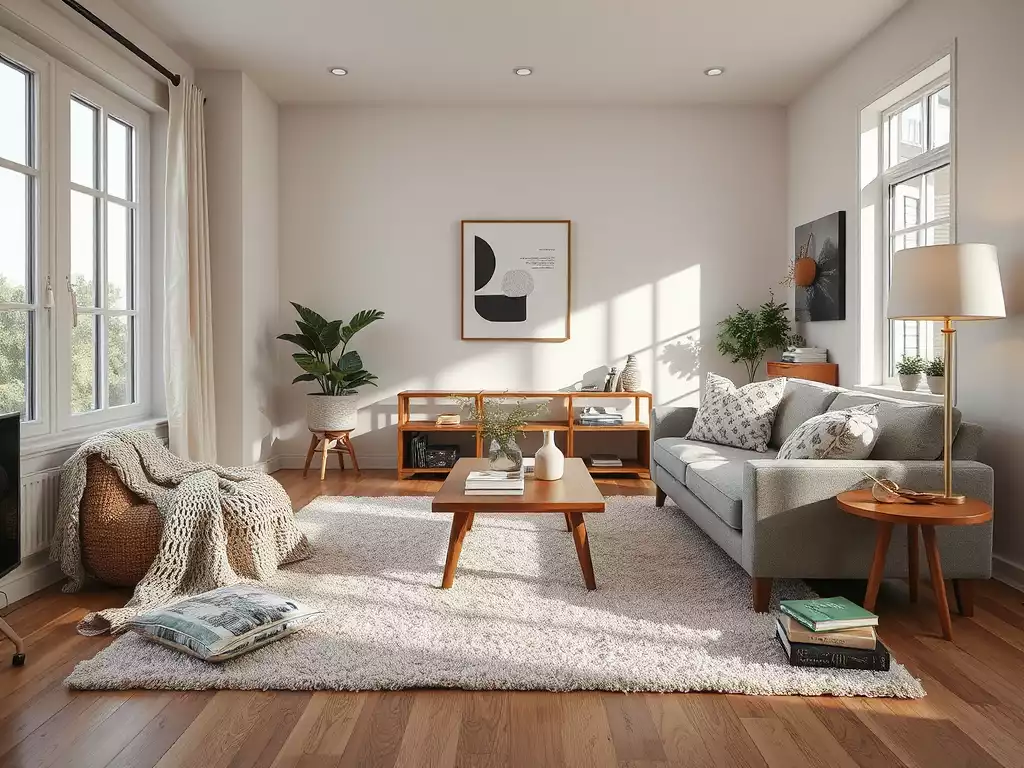
- Soft textiles: Incorporating cushions, throws, and rugs can create a cozy atmosphere.
- Sleek surfaces: Glossy finishes on cabinets or countertops can add a modern touch.
- Natural elements: Wood, stone, and plants introduce organic textures that bring the outside in.
Balancing different textures can elevate your design, making your home something truly special!
We Want to Hear From You!
How do you approach selecting colors and materials for your home design? Share your thoughts below:
Consolidating Your Home Design Choices for a Lasting Impact
As we wrap up our exploration of interior design, it’s crucial to recap the key considerations surrounding materials, finishes, and colors. These elements not only define the aesthetic of your space but also cater to your unique needs. By keeping in mind the durability of materials, the functionality of finishes, and the impact of color, you can create a harmonious environment that truly reflects your personal style.
Here are some essential takeaways to consider:
- Durability: Choose materials that withstand wear and tear based on room use.
- Finishes: Consider maintenance requirements and sheen levels for various applications.
- Color: Understand how different hues interact with your chosen finishes and materials. The psychology of color can significantly influence mood and perception within a space.
By focusing on these key aspects, you can make informed choices that ensure your home design remains functional and visually appealing for years to come!
Frequently Asked Questions About Interior Design Choices
How do colors affect the mood of a room?
Why is durability important when choosing materials?
What are some examples of eco-friendly materials for home design?
How can textures enhance interior design?
How can I personalize my home design?
Encouraging Personalization in Design Decisions
One of the most rewarding parts of interior design is the ability to personalize your space. Adding personal touches not only enhances the comfort of your home but also makes it uniquely yours. Whether it’s through artwork, family photos, or heirlooms, these elements tell a story that resonates with both you and your guests.
To effectively incorporate your personality into your home, consider the following methods:
- Artwork: Invest in pieces that inspire you and reflect your style.
- Color Accents: Use color pops in accessories like cushions or rugs to create a personal vibe.
- Unique Materials: Explore materials that hold sentimental value, whether it’s reclaimed wood or textiles.
Embracing these personal touches will help create a space that feels welcoming and true to you!
Incorporating Seasonal Trends in Your Home Decor
Another exciting way to keep your home feeling fresh is by incorporating seasonal trends into your decor. Changing color palettes and decor styles with the seasons allows you to easily refresh the look of your space without undertaking major renovations. Seasonal updates can keep your home feeling vibrant and inviting all year round.
Here are a few ideas to seamlessly transition your decor with the seasons:
- Summer: Incorporate light colors, natural fibers, and floral patterns.
- Autumn: Use warm tones like rust, gold, and deep greens to create a cozy atmosphere.
- Winter: Embrace rich jewel tones and plush textures for a warm, inviting feel.
- Spring: Opt for pastel colors and fresh designs to evoke renewal and freshness.
By embracing these seasonal trends, you can easily revitalize your home and keep it feeling current and engaging!
Taking the Next Steps Toward Your Home Transformation
Inviting Feedback and Further Exploration
As you embark on your interior design journey, I invite you to share your thoughts and experiences! Hearing how others navigate the choices in materials and colors can inspire creative solutions and foster a community of design enthusiasts. Don’t hesitate to reach out and discuss your projects!
Promoting DIY Enthusiasm and Professional Collaboration
Whether you’re a DIY enthusiast or prefer to collaborate with professionals, both paths can lead to stunning results. Embrace your creativity by tackling smaller projects on your own while also knowing when it’s best to seek expert advice for more extensive renovations. Balancing both approaches can help you achieve the interior look you’ve always dreamed of!
Let your vision flourish as you transform your space into something uniquely yours. Happy decorating!
Recap of Key Points
Here is a quick recap of the important points discussed in the article:
- Choose colors and materials that reflect your personal style and desired ambiance.
- Consider functionality and durability based on the specific needs of each room.
- Incorporate eco-friendly materials to promote sustainability in your home design.
- Evaluate moisture resistance for areas prone to humidity, such as kitchens and bathrooms.
- Balance textures to create depth and warmth in your interiors.
- Personalize your space with unique decorations, color accents, and sentimental materials.
- Embrace seasonal trends to keep your decor fresh and inviting throughout the year.