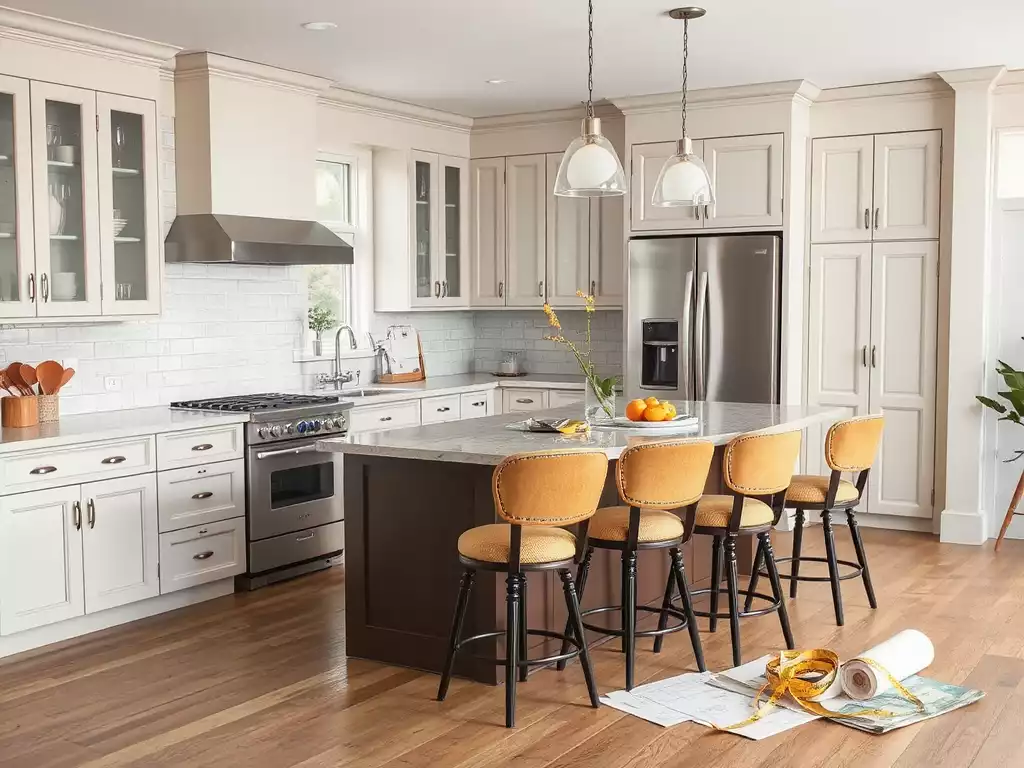
Are you contemplating a home remodel but unsure about the financial implications? Understanding the costs involved can significantly enhance your planning and help you avoid unexpected expenses. Here’s a clear breakdown of what you need to know before diving into your project.
What You Will Learn
- Home remodeling costs typically range from $100 to $400 per square foot, depending on project complexity and materials.
- Average expenses for specific projects include $25,000 – $50,000 for kitchen remodels and $10,000 – $20,000 for bathroom remodels.
- Understanding return on investment (ROI) is crucial, with kitchen remodels offering up to 80% ROI.
- Key factors affecting remodeling costs include home size, material quality, labor rates, and contractor fees.
- Flexibility in your budget is essential to accommodate unexpected expenses that may arise during the renovation.
Understanding Home Remodeling Costs: Key Factors and Averages
When considering a home remodel, it’s essential to have a clear understanding of the costs involved. Home remodeling costs can vary dramatically based on multiple factors. Knowing what to expect can help you plan better and avoid unexpected financial strain.
On average, homeowners can expect to spend anywhere from $100 to $400 per square foot, depending on the complexity of the project and the materials used. It’s crucial to understand these averages as you evaluate your own remodeling plans. For an in-depth analysis of spending patterns, you might find the AIA’s study on homeowner remodeling and design dollars insightful, as it highlights current market trends and preferences.
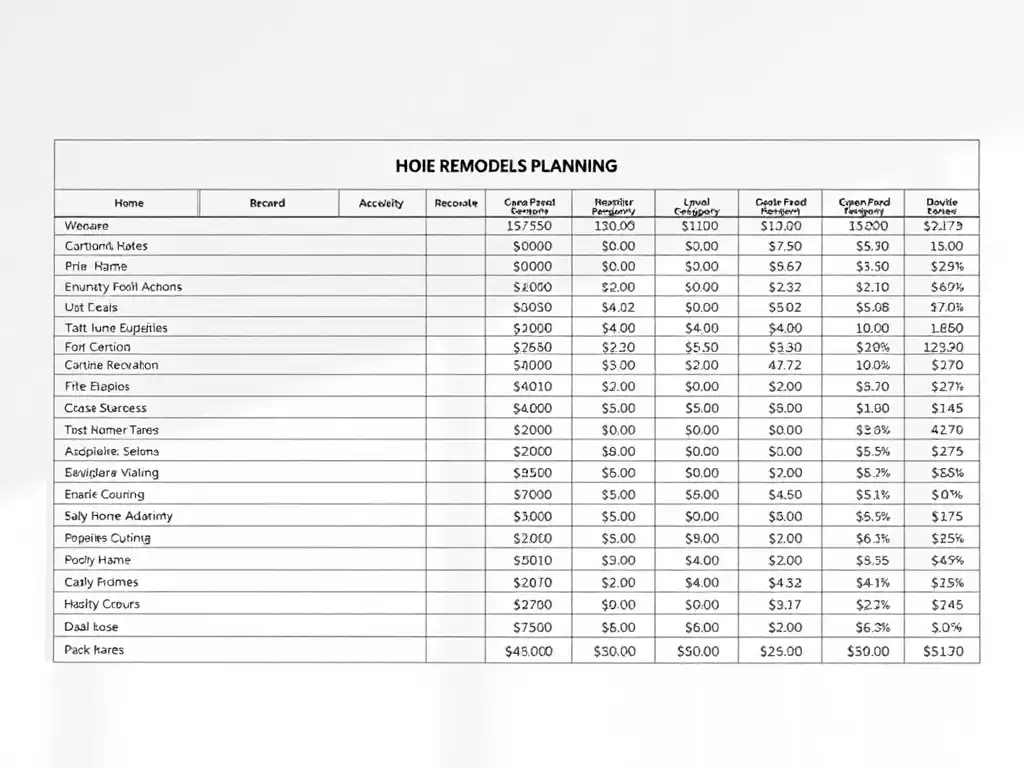
What Are the Average Remodeling Costs Per Square Foot?
The cost per square foot can significantly impact your overall budget. Here’s a breakdown of the average costs for common remodeling projects:
- Kitchen remodel: $150 – $250 per square foot
- Bathroom remodel: $100 – $200 per square foot
- Room addition: $200 – $400 per square foot
- Basement finish: $100 – $300 per square foot
Understanding these averages allows you to set realistic expectations and gives you a framework for budgeting. Prices can vary based on your specific location and the current market conditions, so always factor in those elements.
Breaking Down Costs: Total Expenses for Common Remodeling Projects
As you embark on a remodeling journey, it’s helpful to break down the costs associated with various projects. Here’s a quick overview of common remodeling projects and their typical expenses:
- Kitchen Remodel: $25,000 – $50,000
- Bathroom Remodel: $10,000 – $20,000
- Living Room Update: $5,000 – $15,000
- Outdoor Space Renovation: $5,000 – $15,000
These figures provide a solid foundation for your budget planning. Keep in mind that factors like material choice and labor can cause these costs to fluctuate.
Evaluating Return on Investment for Home Renovations
One of the most critical aspects of home remodeling is understanding the return on investment (ROI) for your renovations. Many homeowners want to ensure that their upgrades add value to their home.
- Kitchen remodel: 80% ROI
- Bathroom remodel: 70% ROI
- Deck addition: 75% ROI
- Basement finishing: 70% ROI
By prioritizing projects with higher ROI, you can make financial choices that benefit you in the long run. It’s essential to research market trends and consult with real estate professionals when evaluating your options. For more detailed insights into how specific renovations impact home value and resale, the National Association of Realtors’ Remodeling Impact Report offers valuable data on ROI for various projects.
We Want to Hear From You!
As you consider your remodeling plans, what aspect of home renovation do you find most challenging? We’d love to hear your thoughts!
Frequently Asked Questions About Home Remodeling Costs
What is the typical cost per square foot for a home remodel?
What are the average costs for common remodeling projects like kitchens and bathrooms?
Which renovations offer the best return on investment (ROI)?
What key factors influence a home renovation budget?
How can I manage remodeling costs effectively and avoid unexpected expenses?
Summarizing Key Takeaways on Remodeling Costs
When it comes to home renovation budgets, several factors can influence your overall expenses. Understanding these elements can help you make informed decisions that fit your financial plan. Here are the key points to remember as you embark on your remodeling journey:
- The size of your home plays a significant role in determining costs.
- Quality materials can drastically affect your budget, so choose wisely.
- Labor costs vary based on experience and location, impacting your total spend.
- Contractor fees should be clearly outlined and negotiated for the best outcome.
- Don’t forget to consider the costs associated with obtaining building permits.
By keeping these factors in mind, you can better navigate the complexities of remodeling. Each project is unique, but having a solid grasp of these elements will guide you toward effective budgeting! For a broader perspective on housing and remodeling trends across the country, the Joint Center for Housing Studies of Harvard University’s “Improving America’s Housing” report provides comprehensive data and insights.

Understanding What Affects Your Home Renovation Budget
As you think about your renovation plans, it’s important to reflect on the different aspects that can impact your budget. For instance, the decision to renovate a kitchen versus a bathroom can lead to vastly different financial requirements. Here are some additional considerations:
- Project scope: Are you planning for cosmetic changes or a complete overhaul?
- Time of year: Seasonal factors can affect labor and material costs.
- Unexpected issues: Older homes may reveal hidden problems that need addressing.
- Financing options: Understand the different ways to fund your renovation.
These elements can either help you save or add to your expenses. Being aware of them from the start can lead to a smoother renovation experience.
Final Thoughts on Managing Remodeling Costs Effectively
In the end, effective management of your remodeling costs comes down to planning and flexibility. I recommend creating a detailed budget that incorporates all potential expenses and sticking to it as closely as possible. However, it’s also wise to allow for a little flexibility in your budget to accommodate unforeseen costs. Here are my top tips:
- Get multiple quotes from contractors to ensure you’re getting the best price.
- Prioritize your needs versus wants to focus on essential renovations first.
- Stay involved in the project to monitor progress and address issues quickly.
- Keep communication open with your contractor to avoid misunderstandings.
These strategies will help you keep your remodeling project on track and within your budget. Remember, a well-planned renovation can not only enhance your home but also improve your quality of life!
Act Now: Tools and Resources for Your Remodeling Journey
Download Your Free Budget Template Today
Ready to take the next step? I invite you to download our free budget template to help you get started on your remodeling plans. This tool is designed to simplify the budgeting process, allowing you to track expenses and stay organized!
Join Our Newsletter for Ongoing Remodeling Tips and Insights
Stay informed and empowered throughout your renovation journey by joining our newsletter. You’ll receive helpful tips, the latest trends, and insights directly in your inbox. Let’s navigate the world of home remodeling together!
Recap of Key Points
Here is a quick recap of the important points discussed in the article:
- Average remodeling costs range from $100 to $400 per square foot, varying by project complexity and materials.
- Typical costs for remodeling projects include $25,000 – $50,000 for kitchens and $10,000 – $20,000 for bathrooms.
- Consider ROI when planning renovations: kitchens offer around 80% ROI, while bathrooms provide about 70%.
- Key factors influencing costs include home size, material quality, labor rates, and contractor fees.
- Planning and flexibility are crucial; create a budget and be prepared for unexpected costs during renovations.