
Effective home remodeling starts with a solid plan and a realistic budget. Understanding the intricacies involved in your renovation can significantly enhance the process, ensuring both satisfaction and value. Are you ready to embark on this journey with the right tools and knowledge?
What You Will Learn
- The importance of a comprehensive remodeling budget as a roadmap for your project.
- Key cost factors in renovations, including size, material quality, and labor costs.
- How understanding ROI can guide smart investment decisions in home improvements.
- Best practices for breaking down your budget and preparing for unexpected expenses.
Understanding the Basics of Home Remodeling Planning
When it comes to home remodeling planning, the first step is establishing a solid foundation. Understanding what goes into a remodel can make the difference between a smooth renovation and a chaotic one. It’s not just about picking out new tiles or paint colors; it’s about seeing the big picture and ensuring every detail is accounted for!
One crucial aspect that often gets overlooked is the comprehensive remodeling budget. A well-prepared budget not only helps you track spending but also keeps your project on course. Let’s dive deeper into why having a clear plan is vital.
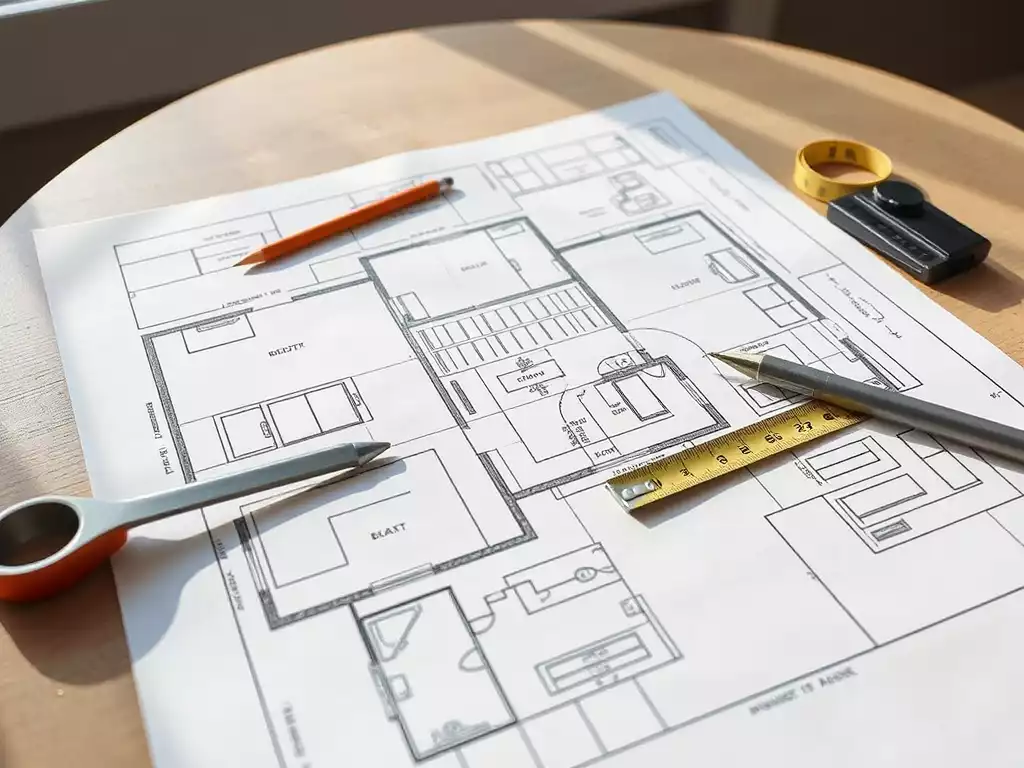
Why Homeowners Need a Comprehensive Remodeling Budget
A comprehensive remodeling budget acts as your roadmap. Without it, you might find yourself veering off course, leading to unexpected expenses. Here are a few reasons why it’s essential:
- Helps in setting realistic expectations for your project.
- Enables you to prioritize spending based on needs versus wants.
- Allows for better negotiation with contractors and suppliers.
When I first tackled my home renovation, I underestimated costs, which led to stress and delays. A solid budget would have provided clarity and saved me from those pitfalls! For more insights on project planning, you can review resources like the Federal Reserve’s guide on renovation project management, which, while institutional, offers robust planning principles applicable to any large-scale renovation.
Key Cost Factors in Home Renovations
Understanding the various cost factors in home renovations is crucial. Several elements can influence your overall budget, including:
- Size of the area being renovated.
- Quality of materials chosen for the project.
- Labor costs in your region.
- Permits and inspections required by local authorities.
As I learned from experience, each of these factors can add up quickly! By keeping them in mind, you can create a more accurate budget and avoid financial surprises. Additionally, organizations like Habitat for Humanity offer valuable tips for planning home improvement projects, emphasizing careful financial consideration.
Understanding ROI: How Remodeling Investments Affect Home Value
Return on Investment (ROI) is a critical concept to grasp when planning your remodel. Not every renovation will increase your home’s value equally, so it’s essential to focus on projects that offer a good return. Consider these aspects:
- Kitchen and bathroom remodels typically yield higher ROI.
- Improving energy efficiency can be a smart financial move.
- Curb appeal projects like landscaping may enhance value significantly.
Investing in your home is exciting, and understanding ROI can help you make savvy choices that pay off in the long run. From my own experiences, focusing on high-return projects ensured my home was not only beautiful but a sound investment! The National Association of Realtors also provides comprehensive data on the value of remodeling projects, which can be an excellent resource for gauging potential ROI.
Frequently Asked Questions About Home Remodeling Budgeting and Planning
Why is a comprehensive remodeling budget essential?
What are the key cost factors in home renovations?
How does Return on Investment (ROI) factor into remodeling decisions?
What tools and resources can help with remodeling budgeting?
How can I stay updated on home renovation trends and costs?
We Want to Hear From You!
As you embark on your remodeling journey, we’d love to hear about your experiences! What challenges did you face while budgeting for your remodel? Share your thoughts below:
Recapping Your Remodeling Journey: Key Takeaways
As we reach the end of our remodeling guide, it’s essential to reflect on the key points we’ve discussed. A successful remodel begins with understanding your needs and creating a comprehensive budget. Remember, planning is just as crucial as the execution of the project itself!
We’ve covered various strategies, from applying the 60/20/20 rule to setting up a contingency fund. These principles ensure that you’re not only prepared for unexpected expenses but also able to tackle your remodeling goals effectively.

Final Thoughts on Budgeting and Planning for a Successful Remodel
When it comes to your home renovation, effective budgeting and planning can make all the difference. Here are some final thoughts to keep in mind:
- Start with a clear vision of what you want to achieve.
- Break down your budget into specific categories such as materials, labor, and permits.
- Prioritize your spending based on what will add the most value to your home.
- Regularly review your budget and adjust as necessary throughout the project.
By focusing on these key takeaways, you’ll set yourself up for a successful remodel that not only meets your expectations but also enhances your home’s value.
Next Steps: Tools and Resources for Your Remodeling Process
Now that you have a solid understanding of the budgeting and planning process, it’s time to explore tools and resources that can aid you in your remodeling journey. Utilizing the right tools can simplify the entire process and ensure that you stay on track!
Free Budgeting Templates and Calculators to Get Started
Many free resources are available online to help you manage your remodeling budget. Consider using:
- Excel budgeting templates that allow you to customize your spending categories.
- Online calculators that estimate costs based on square footage and materials.
- Apps designed specifically for home renovation budgeting.
These tools can keep your finances organized and give you a clearer picture of your spending.
Stay Updated: Following Trends and Costs in Home Renovation
Staying informed about current trends and costs in home renovation is crucial. Here are a few ways to keep yourself updated:
- Subscribe to home improvement blogs and newsletters.
- Follow industry experts on social media platforms.
- Join local home renovation groups to share experiences and insights.
By keeping up with the latest information, you can make informed decisions that will benefit your project.
Utilizing Online Resources and Remodeling Software for Your Project
Finally, there are numerous online resources and software applications designed to streamline your remodeling project. These can help with everything from planning to execution. Consider the following:
- Project management software that tracks timelines and tasks.
- Design tools that allow you to visualize your remodel before starting.
- Online forums where you can ask questions and get advice from other homeowners.
Using these resources can simplify your remodeling process, making it more enjoyable and less stressful!
Recap of Key Points
- Establish a comprehensive remodeling budget to stay on track and avoid unexpected costs.
- Understand key cost factors such as size, material quality, labor costs, and permits to create an accurate budget.
- Focus on high ROI projects, especially kitchen and bathroom remodels, to enhance home value.
- Utilize free budgeting templates and calculators to manage your finances effectively.
- Stay informed on renovation trends and costs by following industry experts and participating in local groups.
- Leverage online resources and remodeling software for project management and design visualization.